Ordering for a family at a small restaurant is a small logistics exercise: different appetites, one picky eater, a toddler with a short fuse, and a grandparent who wants the same thing they have ordered since 1997. Family restaurants are built for exactly this, with broad menus and patient staff, but the table that orders smoothly eats sooner and argues less. The trick is deciding in the right order.
Troutman families do this every weekend morning. What follows is the system that works in a family-style dining room like the one on N Main Street, from the parking lot to the last coffee refill.
Decide drinks and the urgent food first
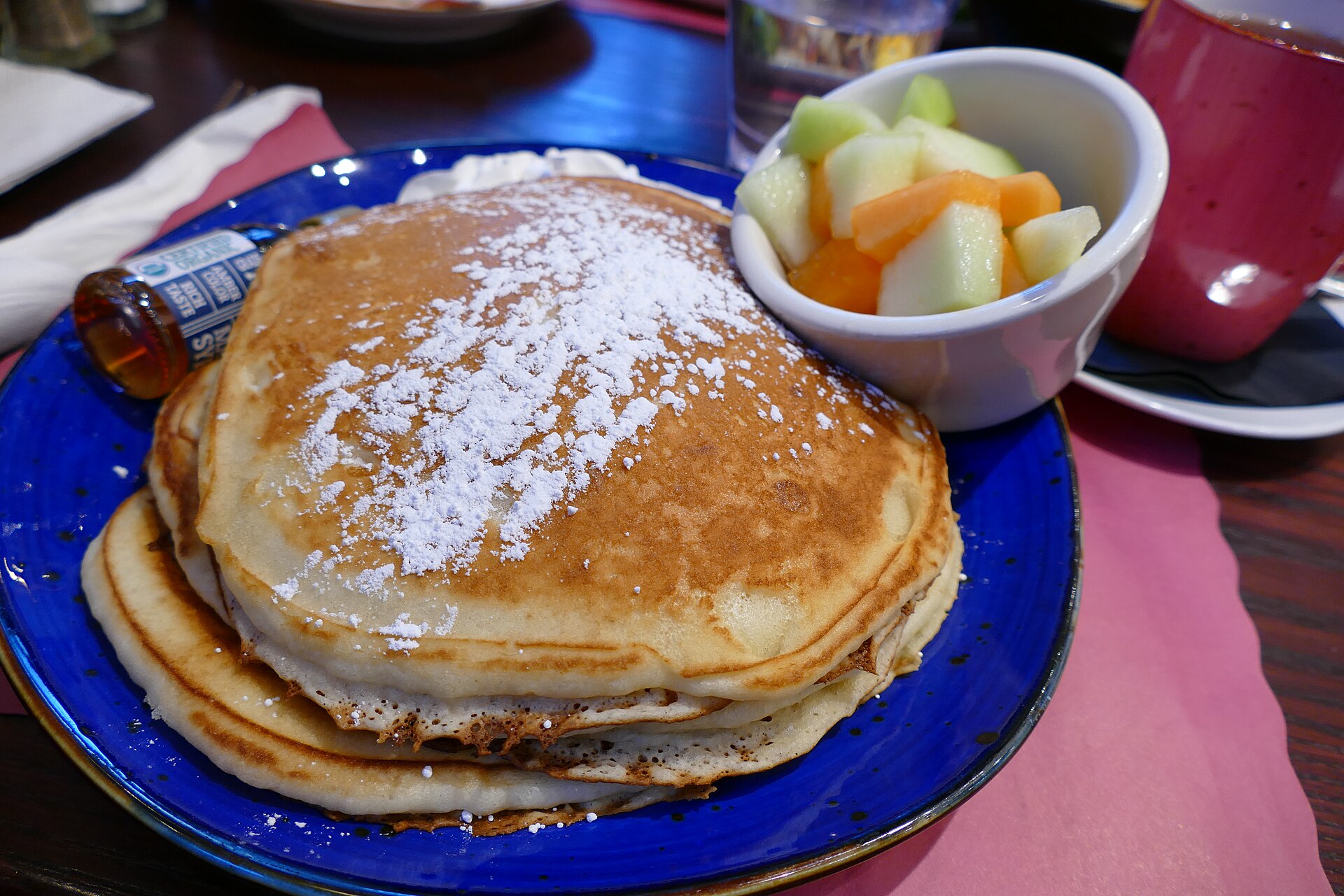
Hungry children have a clock on them, and it starts when the car stops. The first move at the table is drinks for everyone and, if the kitchen allows, an early item for the youngest kids: a biscuit, a side of fruit, toast. Most family restaurants understand this order instantly because their staff have children too. Adults can deliberate; a two-year-old cannot.
While the drinks are coming, the table does its real work. One adult gathers the kids' orders completely (main item, side, drink, and the one modification that matters) so the server takes them in a single pass. Nothing slows a family order like a negotiation conducted through a patient server holding a pen.
Order in a sequence the kitchen likes
- Start with the longest-cooking items. Plates from the grill, like hamburger steak or a full breakfast, take the most time. Getting them in first means everything lands closer together.
- Give kids' orders in the same pass. One complete pass for the children avoids the staggered arrivals that leave one child eating while another melts down.
- State modifications once, clearly. No onions, dressing on the side, eggs scrambled hard: say it with the item, not after. Remakes cost the whole table time.
- Order shared extras for the middle. A side of onion rings, hush puppies or fries for the table gives everyone something to graze while plates arrive.
- Finish with drinks and coffee refills. Flag coffee drinkers early. In a family restaurant, the refill rhythm starts with the first ask.
That sequence is not about pleasing the kitchen for its own sake. It is about the spread of arrival times. A family meal goes sideways when plates land ten minutes apart; it goes well when the table eats together, and the kitchen can only time that if the order arrived in a sensible order.
Build plates picky eaters will actually eat
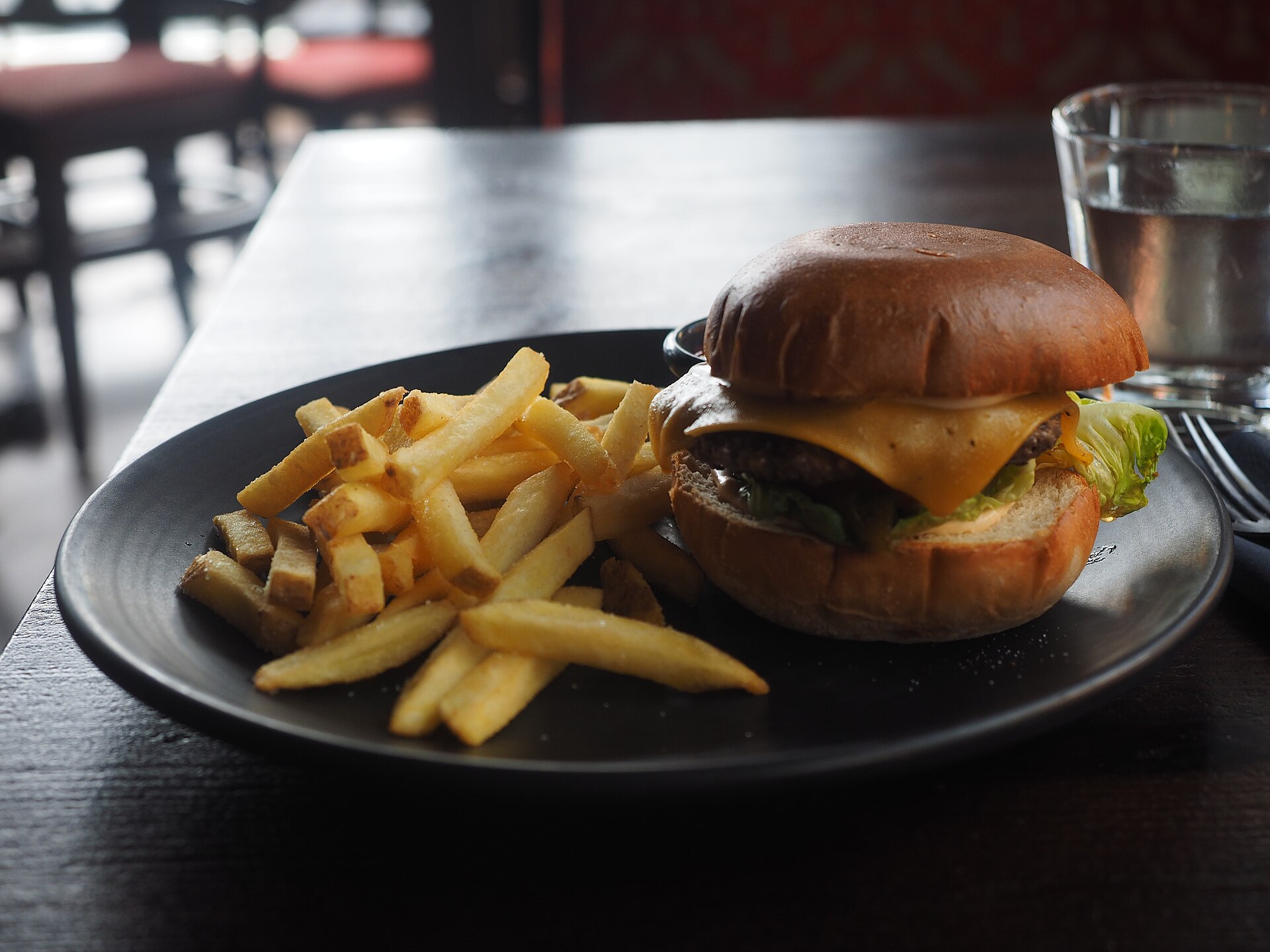
Every family has one cautious eater, and family menus are secretly designed for them. The safe architecture is plain and modular: a burger without the fixings, grilled chicken, eggs and toast, a baked potato, buttered sides. Ask for sauces on the side, literally on the side, and a picky eater becomes the person in charge of assembly, which changes the emotional math entirely.
For kids, the regular menu often beats the kids' menu on value and appetite: a single pancake, a biscuit sandwich, or a plain burger can be split between two small children with a shared side. Servers see this daily and will usually bring an extra plate without being asked twice.
Groups, checks and getting out cleanly
With two families or a team meal, decide the check split before ordering, and tell the server at the start: one check, or separate by family. Splitting a tangled check at the register while kids orbit the door is the worst version of the meal's last five minutes. Deciding early is a kindness everyone feels.
Finally, time the visit. Weekend breakfast rush at a popular family spot is real between about nine and eleven. Arriving before nine or after the rush with a large group is the difference between walking to a table and hosting a small reunion in the entryway. Big groups help themselves most with one phone call ahead, even where reservations are not taken, so the staff can push tables together before the door opens.
Common questions
How do I order for a picky eater at a family restaurant?
Choose plain, modular items like a burger, grilled chicken or eggs and toast, and ask for sauces and toppings on the side. That puts the eater in control of assembly and avoids a remake. Family kitchens handle these requests constantly.
Should a big group call ahead if the restaurant does not take reservations?
Yes. Even without formal reservations, a call lets staff combine tables and brace for the order size. It shortens your wait and theirs. Arriving outside the peak breakfast rush, before nine or after eleven on weekends, helps too.
Is it better to split the check by family for group meals?
Tell the server the plan before anyone orders: one check or separate checks by family. Splitting is easy when it is set up at the start and painful when it is reconstructed at the register from memory.
Photos in this guide are representative stock images.
← All guides from Kat's Patch Restaurant← Back to Kat's Patch Restaurant