Takeout from a family restaurant is a different product from eating in the dining room, even when it is the same food from the same kitchen. Steam is the enemy, time is the variable, and the menu divides cleanly into dishes that travel like champions and dishes that should be eaten within sight of the kitchen. Ordering takeout well means choosing from the first group, or eating the second group in the car like everybody secretly does with onion rings.
Troutman sits between Mooresville and Statesville on a corridor where a called-in order is often dinner for people commuting past. Here is how to make that order arrive home in the condition the kitchen intended.
What travels well
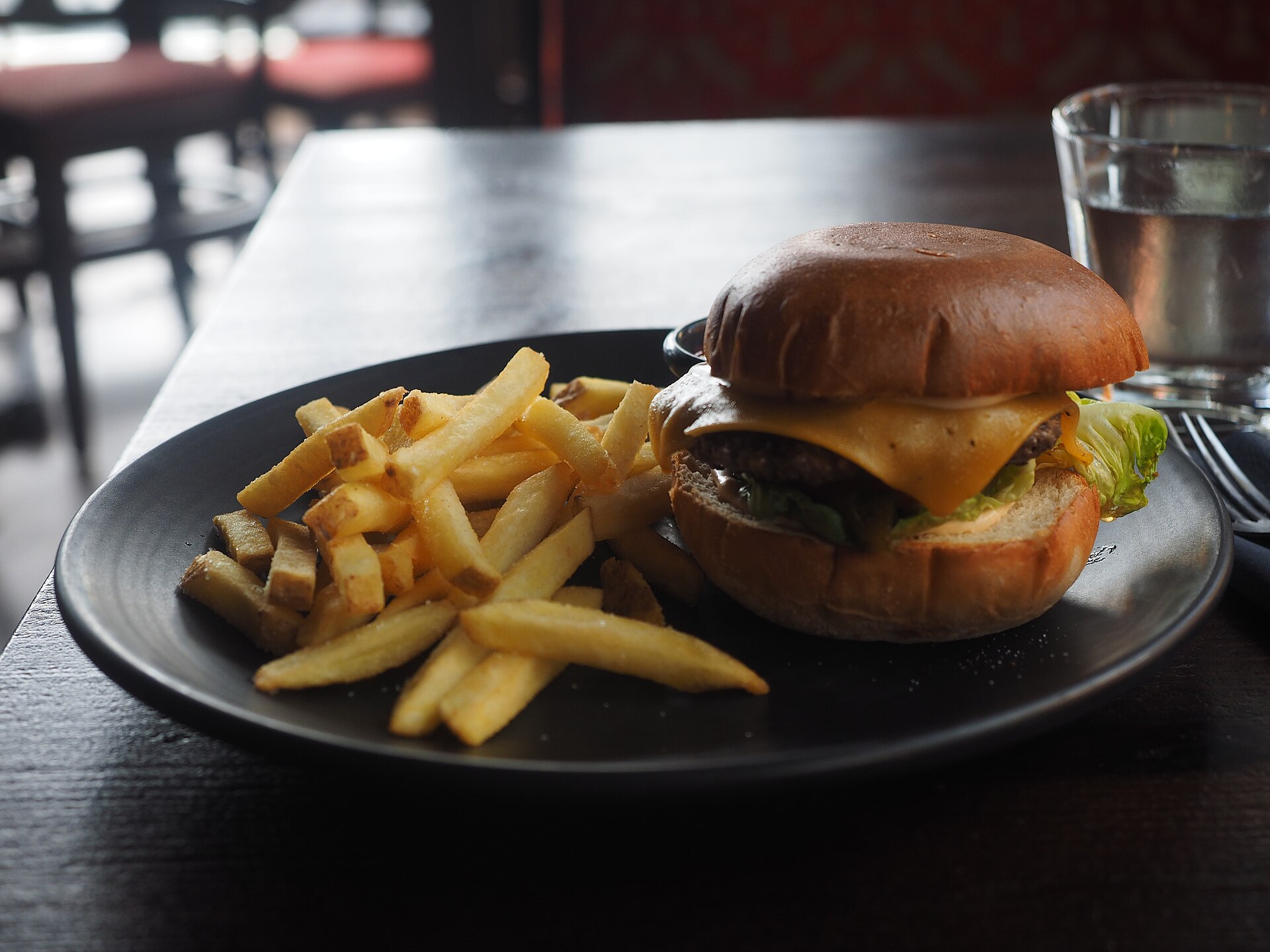
dense, sauced and grilled foods hold their quality: barbecue plates, hamburger steak, grilled chicken, meatloaf-style specials, and most hot sandwiches once you handle the details. Baked beans, potato salad and coleslaw are effectively indestructible. Breakfast travels better than its reputation, too: eggs and meats hold for a short drive, and a breakfast burrito is engineered by design to be eaten somewhere other than a table.
The details that save a takeout order are small. Sauces and dressings on the side keep buns and salads intact. Gravy travels in its own container and goes on at home, so the biscuit or fries under it stay themselves. And a short drive matters more than any packaging: fifteen minutes is a different meal from forty, so order from the end of your errand run, not the start.
What to eat there instead
Fried food is on a clock. Fish and chips, fried chicken and onion rings are at their peak for about ten minutes, after which steam trapped in the container softens the crust that made them worth ordering. Restaurants vent takeout boxes for exactly this reason, and you can help by cracking the container slightly for the drive home. Even so, the honest recommendation stands: if crispy fried food is the point of the meal, eat it in the dining room.
Pancakes and waffles travel acceptably but lose their edges; eggs over easy become eggs over medium by arrival; a dressed salad wilts. None of these are ruined by a short trip. They are simply better at a table, and knowing the difference is how regulars split their orders: the fried fish stays, the barbecue plate goes home.
The takeout checklist
- Order by phone ahead and confirm the pickup time, then arrive at that time, not twenty minutes after
- Ask for sauces, dressings and gravy packed on the side
- Crack fried-food containers slightly so steam escapes instead of softening the crust
- Keep cold sides bagged separately from hot plates when you can
- Put the bag on a flat seat or floorboard, never on a lap or a tilted seat
- Drive the shortest route home; takeout is the last stop of the trip
- Unpack and plate immediately: five minutes in the bag costs more than five minutes on the counter
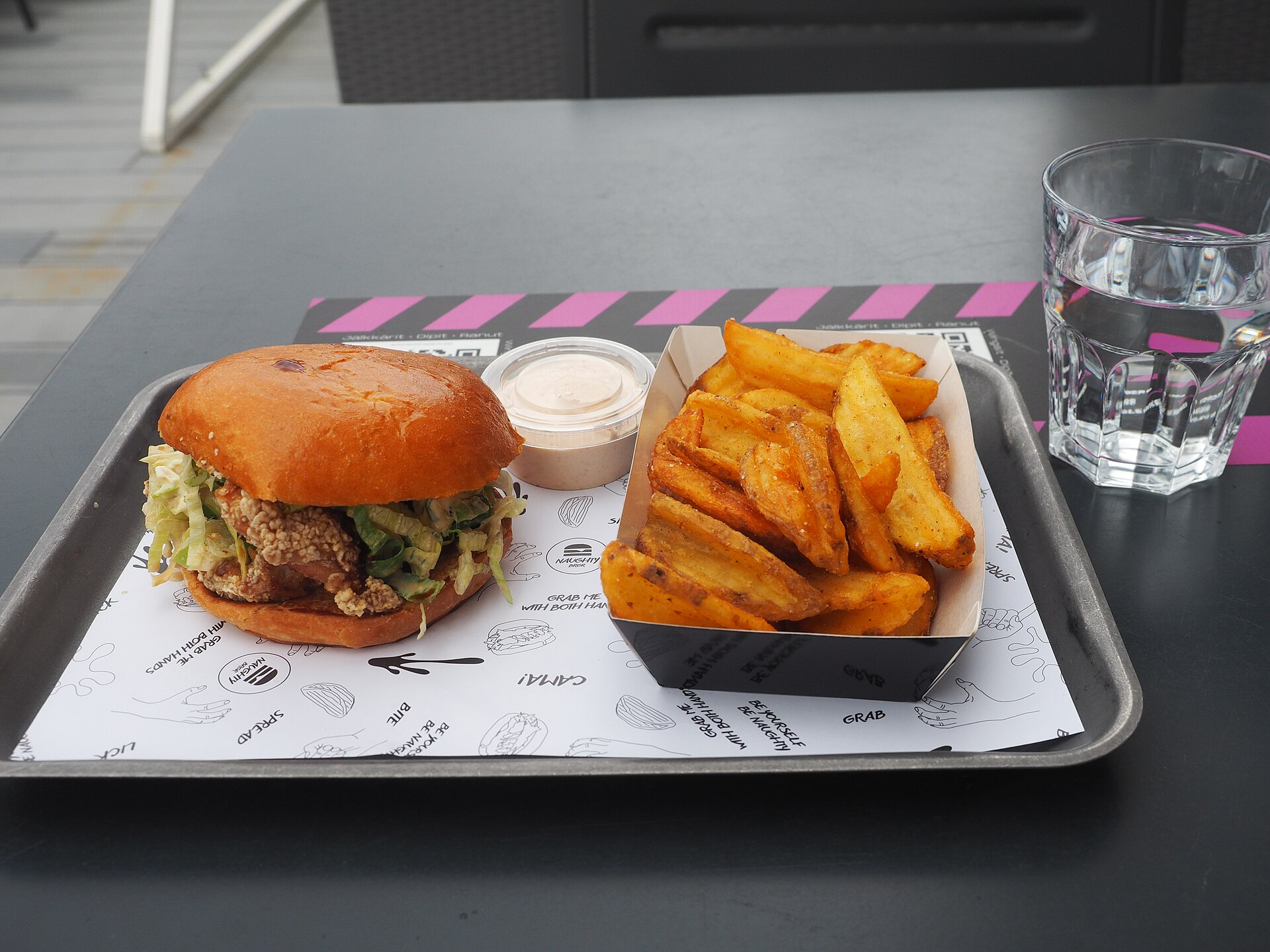
One more habit separates good takeout nights from mediocre ones: check the bag before you leave the parking lot. The missing item is always the one somebody at home specifically wanted, and discovering it at the restaurant takes thirty seconds to fix. At home it takes a second trip nobody makes.
Feeding a house from one order
Family restaurants are quietly excellent at bulk takeout because their menus are modular. A couple of BBQ plates, a burger, a kids' portion and shared sides cover a whole table's tastes without the compromises of a single-cuisine order. Ask the person taking your order what travels best that day; kitchens know which special is sturdy and which is delicate, and they will tell you. That thirty-second question is the whole secret, and regulars ask it every time.
Common questions
How far can I drive with restaurant takeout before quality drops?
Most hot food holds well for about fifteen to twenty minutes with good packing. Fried items fade fastest because of trapped steam. If your drive is longer, favor sauced, grilled and dense dishes like barbecue plates and hamburger steak over crispy fried food.
Should sauces and gravy go on the side for takeout?
Yes, whenever you can choose. Gravy packed separately keeps biscuits and fries from going soft, dressings keep salads crisp, and sandwich sauces keep buns intact. You add them at home in ten seconds and the food tastes freshly plated.
What breakfast items travel best?
Breakfast burritos are built for travel. Eggs, meats and biscuits hold well for a short drive, especially with gravy on the side. Pancakes travel acceptably, while eggs with runny yolks will cook further in the container and are better eaten at the restaurant.
Photos in this guide are representative stock images.
← All guides from Kat's Patch Restaurant← Back to Kat's Patch Restaurant